
 MR Admin
10 Jun 2024




10 Jun 2024
As cities expand and populations increase, the demand for well-structured living and commercial spaces continues to rise. Property development plays a central role in shaping this growth by transforming land into functional environments that support both lifestyle and economic activity.
One of the key drivers of long-term value in property development is location. Areas experiencing infrastructure improvements—such as new roads, schools, and transport systems—often see steady appreciation over time. These developments make locations more accessible and attractive, increasing demand for residential and commercial use.
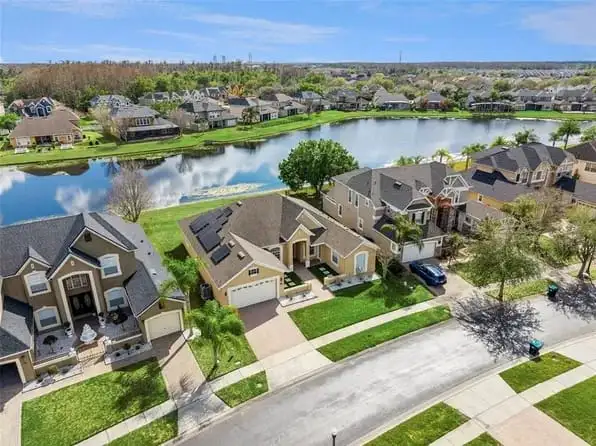
Another important factor is planning and design. Modern developments are no longer just about buildings; they are about creating communities. Well-designed spaces that incorporate green areas, security, and accessibility tend to maintain relevance and demand for years.
Additionally, property development is supported by real-world demand. People will always need places to live, work, and conduct business. This consistent need provides a level of stability that makes the sector a strong foundation for long-term growth.
Understanding how property development works allows individuals to make more informed decisions and recognize opportunities that align with long-term value creation.
MR Admin
10 Jun 2024

MR Admin
10 Jun 2024
MR Admin
10 Jun 2024

MR Admin
10 Jun 2024
 passive income